

Maintain to sustain for a long time
Care instructions for Nanso products
Product care instructions
Nanso products are designed to provide comfort and bring joy for years to come. By following the care instructions, you can help keep your garments looking good for as long as possible. Each of our products comes with a care label that includes general care guidelines, including the recommended washing temperature.

General washing guidelines
To help maintain your garment’s quality and appearance, always follow the care instructions on the product label. Each Nanso product has a care label with the recommended washing instructions and temperature.
Sometimes we wash clothes that are almost clean simply to make them feel fresh. Instead of washing them, try airing them outdoors or hanging them in a steamy bathroom. Often, airing is enough to refresh a garment between washes.
Material care instructions
We believe great garments should feel good, look good and be easy to care for. We choose materials that are suitable for their intended purpose and design products with quality, functionality and timeless style in mind.

Jersey fabric
As a general guideline, we recommend washing jersey items inside out and using a detergent that does not contain bleach. For printed products, soaking and washing at higher temperatures are not recommended, as these may cause the colours to bleed onto lighter areas of the product.
Wash the products with sufficient water to help maintain even colours. For items containing elastane, fabric softeners should not be used, as they can weaken the elastane fibres. Some jersey products can be tumble dried carefully, but always check the care label before. Tumble drying can increase wear on the fabric surface. Air drying on a clothesline or drying rack is a gentle alternative.
Elastane
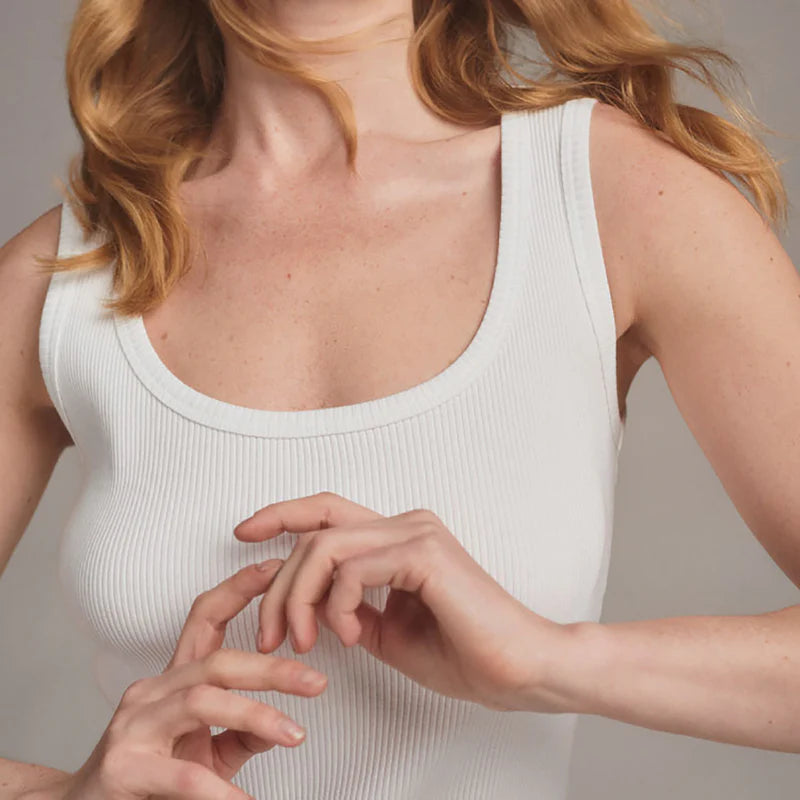
For products containing a high proportion of elastane, the use of fabric softener is not recommended, as it can weaken the elastane fibres. However, if the fabric contains only a small percentage of elastane and the product feels static, fabric softener can be used cautiously.
Wool
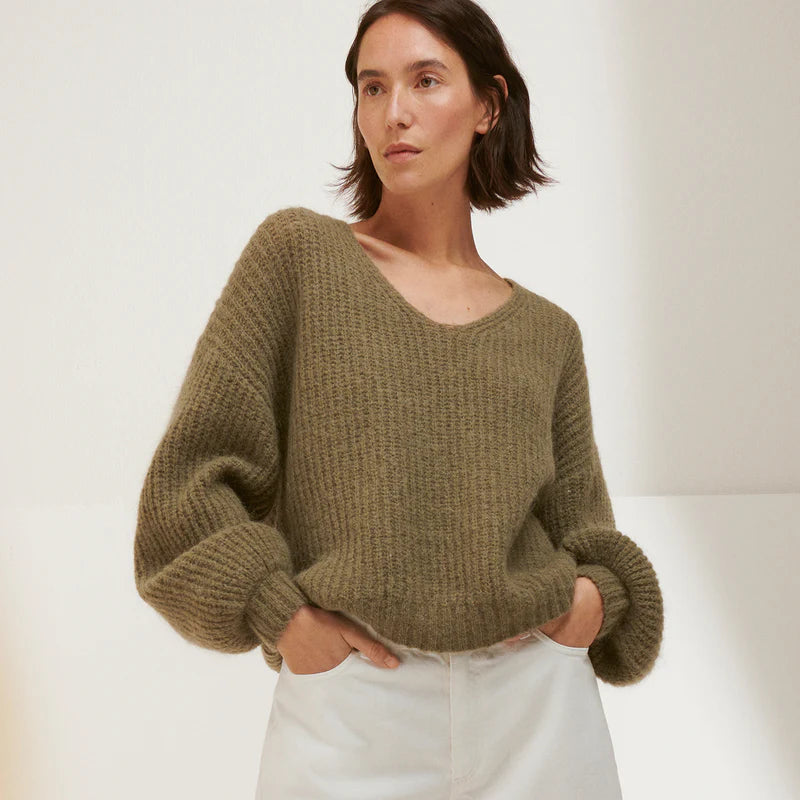
For wool knitwear, airing it outdoors is often enough to freshen the garment between washes. If the product needs washing, always follow the care instructions on the label. Washing wool at too high a temperature can cause the garment to shrink or felt.
Knitwear that requires hand washing should be gently washed in lukewarm water with a mild wool detergent. Make sure the detergent is fully dissolved before immersing the garment. Avoid rubbing or twisting the garment, as this can cause felting. After washing, rinse the knitwear several times in lukewarm water. Gently press out excess water without wringing, reshape the garment to its original dimensions and dry it flat at room temperature.
Linen
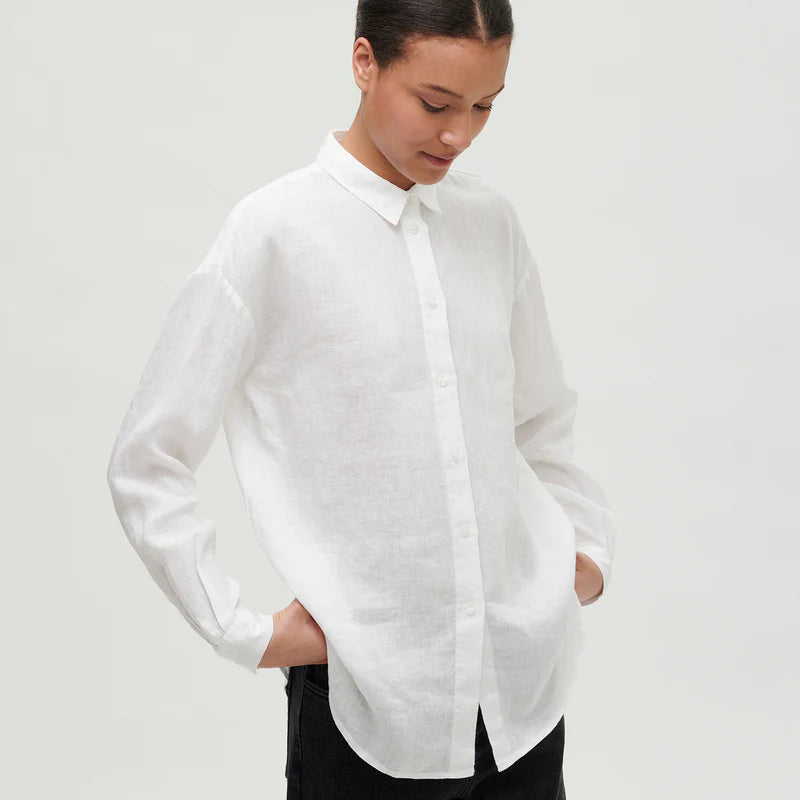
Turn linen garments inside out before washing and choose a liquid detergent. Wash the garment with similarly coloured items and avoid overfilling the washing machine. Washing linen with sufficient water can help reduce excessive wrinkling. Select a gentle spin cycle and a wash temperature of 40°C, unless otherwise stated on the care label. Fabric softener is not recommended, as it may reduce the fibres' absorbency.
After washing, immediately reshape the garment to its original dimensions and dry it flat. Linen generally does not require ironing, as wrinkles are part of its natural appearance. If needed, you can iron linen garments at a low temperature (two dots). It is best to iron the garment inside out and preferably when it is slightly damp. If necessary, you can dampen the fabric with a spray bottle.
Linen garments should be stored in a cupboard, away from direct sunlight, as prolonged exposure to sunlight can cause the colour to fade. To help prevent wrinkles, store linen garments rolled up.
Linen sheets should be washed separately from other laundry. It is a good idea to iron or press linen sheets while they are still damp. Regular post-wash finishing helps to maintain the structure and appearance of the fabric and reduces the shedding of excess fibers that is typical of linen.
Viscose, Modal And Lyocell
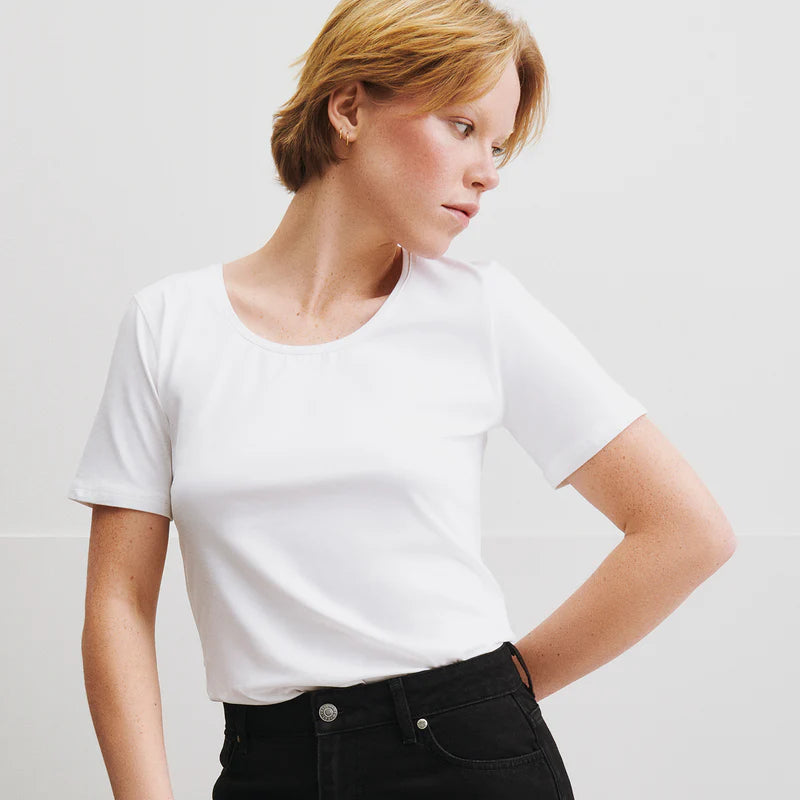
For products containing viscose or other man-made cellulosic fibres, such as modal and lyocell, we recommend using a delicate wash cycle and following the washing instructions on the care label. Strong spinning is also not recommended. After washing, do not leave the product wet in the washing machine. Remove it promptly and reshape or hang it to dry. This helps prevent creasing.
Viscose may shrink during the first wash. If the garment has shrunk slightly, it is possible to restore its original dimensions by gently reshaping it while damp and ironing it according to the care instructions.
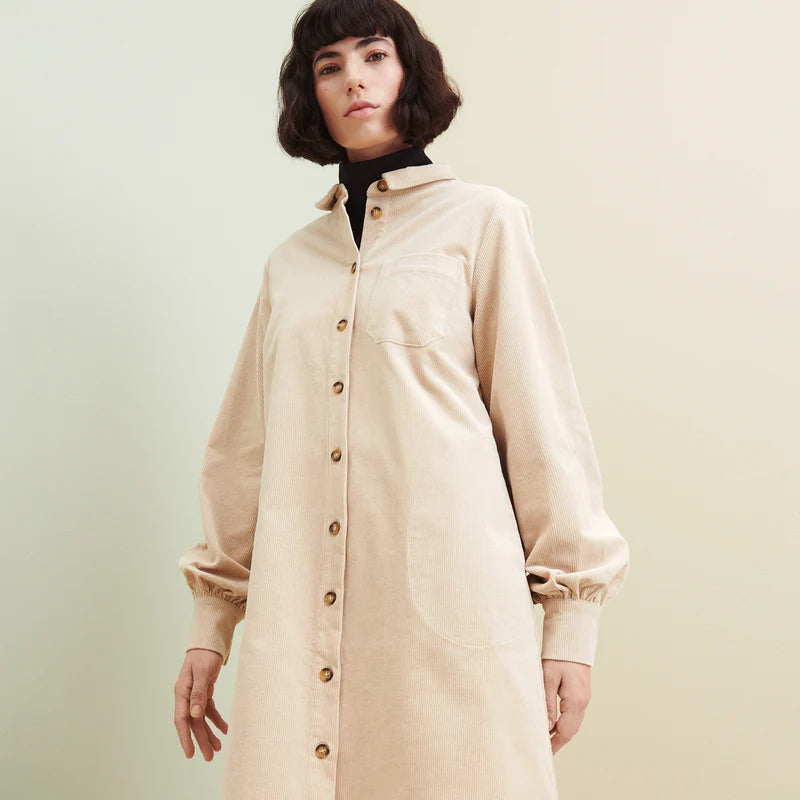
Velvet and Corduroy
Instead of frequent washing, velvet can be refreshed by airing it out. If you wish to wash a velvet garment, always check its care instructions before washing. Turn the garment inside out before washing to help protect its surface. To remove wrinkles from velvet, gently steam the garment. Avoid ironing velvet, as heat and pressure can damage its surface.

Knitwear
Nanso knitwear is designed to delight for a long time, both in quality and style. Proper garment care can help maintain the appearance, shape and feel of your knitwear.
Refreshing Knitwear
Wool and other knitwear can often be refreshed by airing between washes. Air the garment in a well-ventilated space and wash it only when needed. Store knitwear folded rather than hanging to help maintain its shape.
Pilling is a normal characteristic of many knitted fabrics and can occur through friction during wear and washing. Remove pills carefully with a knitwear comb or fabric shaver, avoiding excessive pressure.
Washing Knitwear
Always check the care label before washing. If machine washing is allowed, use the recommended programme and temperature with a mild wool detergent. For hand-wash garments, use lukewarm water and dissolve the detergent before adding the garment. Gently wash without rubbing or twisting, then rinse thoroughly.
Do not wring wet knitwear. Gently press out excess water, reshape the garment and dry it flat on a clean, dry towel at room temperature, unless the care label states otherwise.
Avoid hanging wet knitwear, as its weight can stretch the garment and alter its shape.
Maintain your jacket for winters to come.
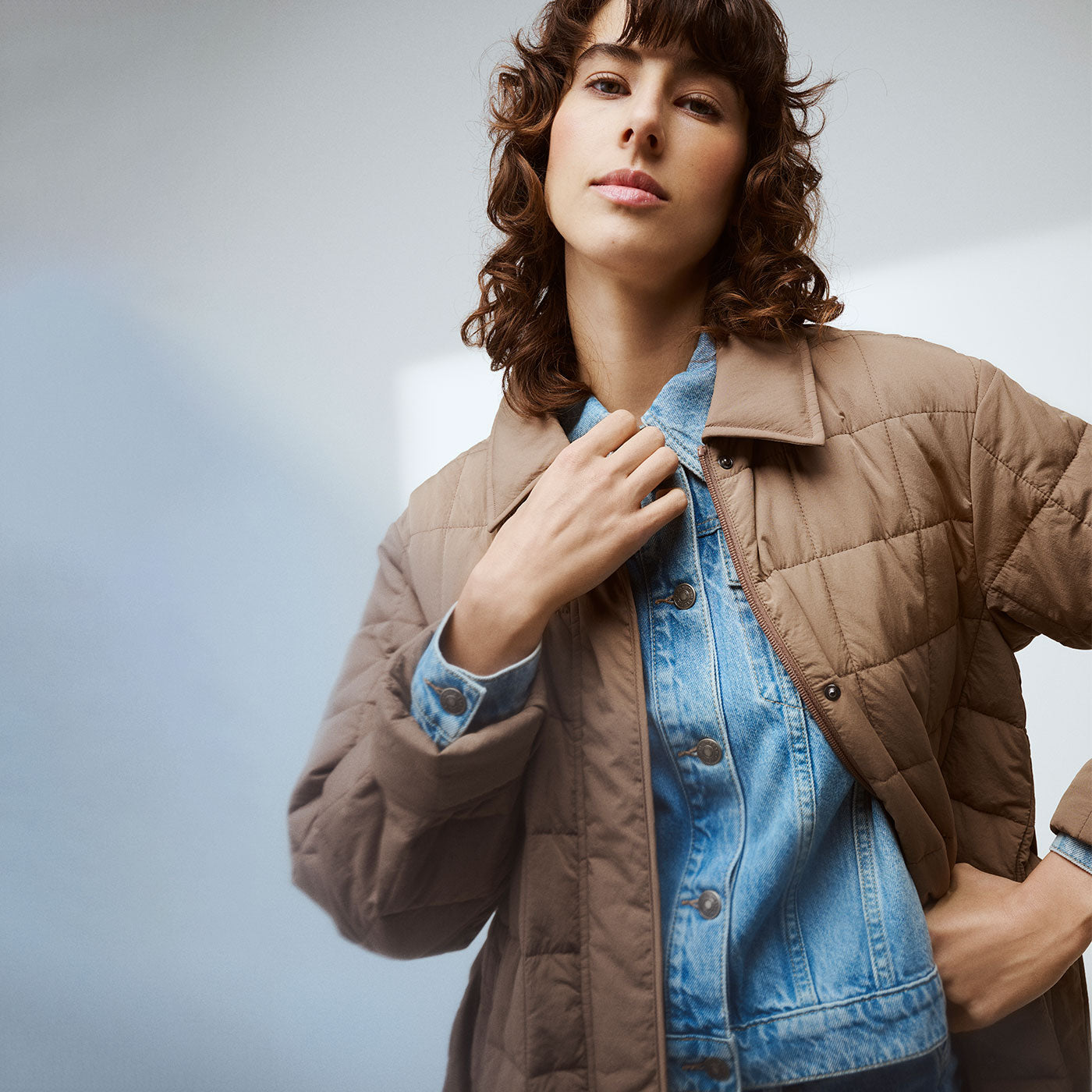
Quilted jackets
Nanso quilted jackets can be machine washed at 30°C using a delicate wash programme, unless otherwise stated on the care label. Always check the care instructions on the label before washing and ironing.
You can remove loose dirt from the jacket’s surface with a garment brush, and small stains can be cleaned by gently wiping them with a damp cloth. Make sure to close the buttons and snaps and turn the jacket inside out before washing. Wash the jacket with sufficient water, either on its own or with similar colours. Do not use fabric softener or bleach during washing.
Never tumble dry the jacket unless the care label specifically allows it. You can also iron your quilted jacket on the lowest heat setting (one dot), if permitted by the care label. Iron the jacket on the inside.
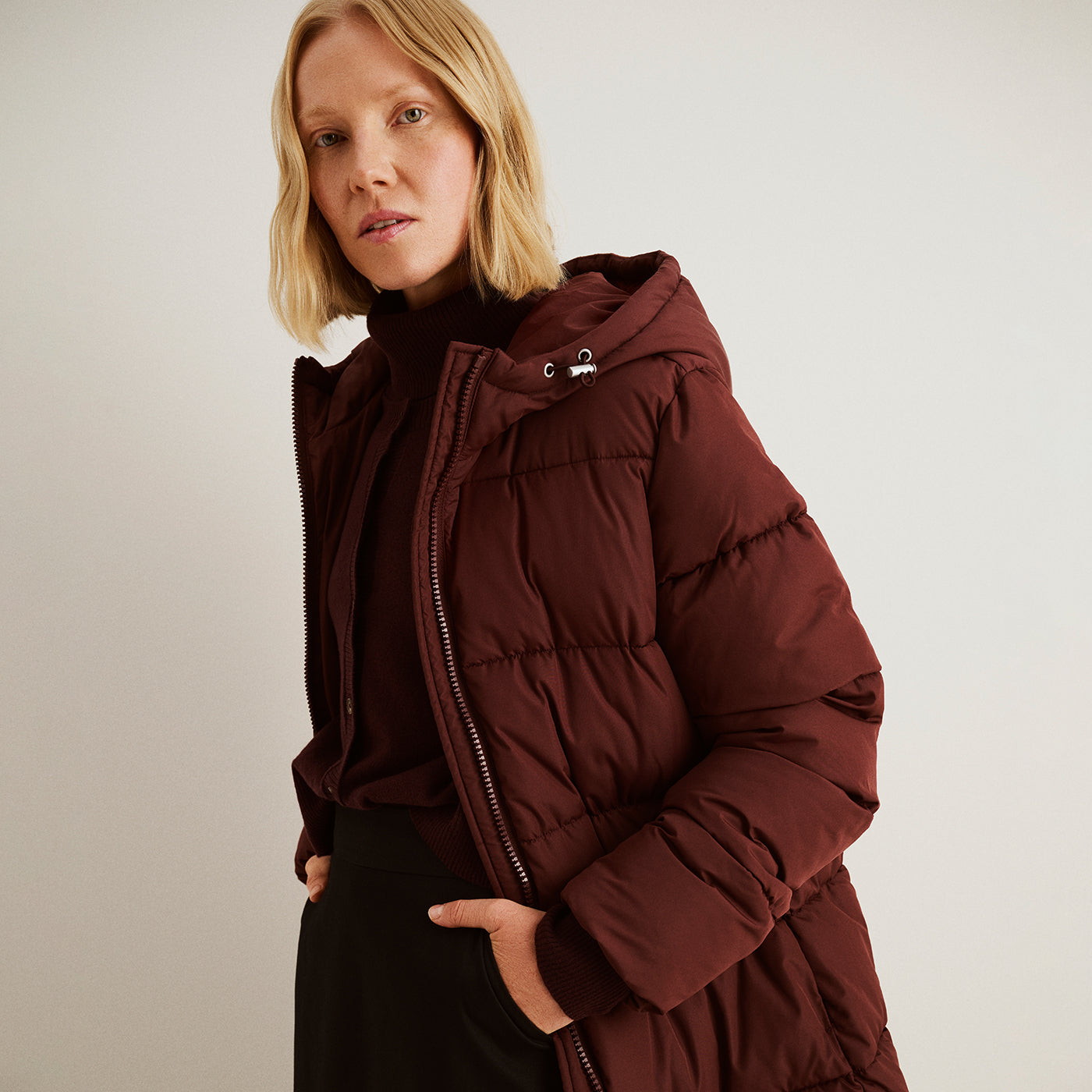
Padded jackets
Nanso padded jackets can be washed at 30°C, unless otherwise stated on the care label. Always check the care instructions on the product label. Close the zippers before washing, turn the jacket inside out and make sure the jacket fits comfortably in the drum.
Wash the jacket preferably on its own. If you choose to wash other textiles at the same time, make sure they are similar colours and suitable for the same washing programme. Use a mild, bleach-free liquid detergent and avoid using fabric softener.
After washing, gently redistribute the padding and carefully reshape the jacket to its original dimensions. Dry the jacket in a well-ventilated area, for example on a wide clothes hanger. Some padded jackets can also be ironed or tumble dried on the lowest heat setting (one dot). Always follow the product-specific care instructions.

Wool coats
To help maintain the shape of the shoulders, use a wide hanger when storing your wool coat. Wool coats can often be refreshed between wears by airing them outdoors. Dust and dirt can be removed with a clothes brush, and wrinkles can be gently removed with a garment steamer.
Avoid ironing a wool coat, as heat and pressure can damage the wool fibres. Avoid using a lint roller for cleaning, as the adhesive can catch on the wool fibres. Stains should be treated according to the care label; professional dry cleaning may be required for some wool coats.

Did you know?
A clothing brush effectively removes dust, hair, and dried stains from almost all types of textiles, and in some cases, it can prevent the need for washing altogether. Sometimes, especially with knitwear, pills form due to the soft material. A pill cutter is the most efficient tool for maintaining these items. Steaming clothes can also be an alternative to washing and ironing. The hot steam from a steamer kills bacteria, refreshes clothes, and helps extend the time between washes.
A well-maintained garment also retains its value: if you ever part with it, it can bring joy to its new owner with its well-kept and tidy appearance.